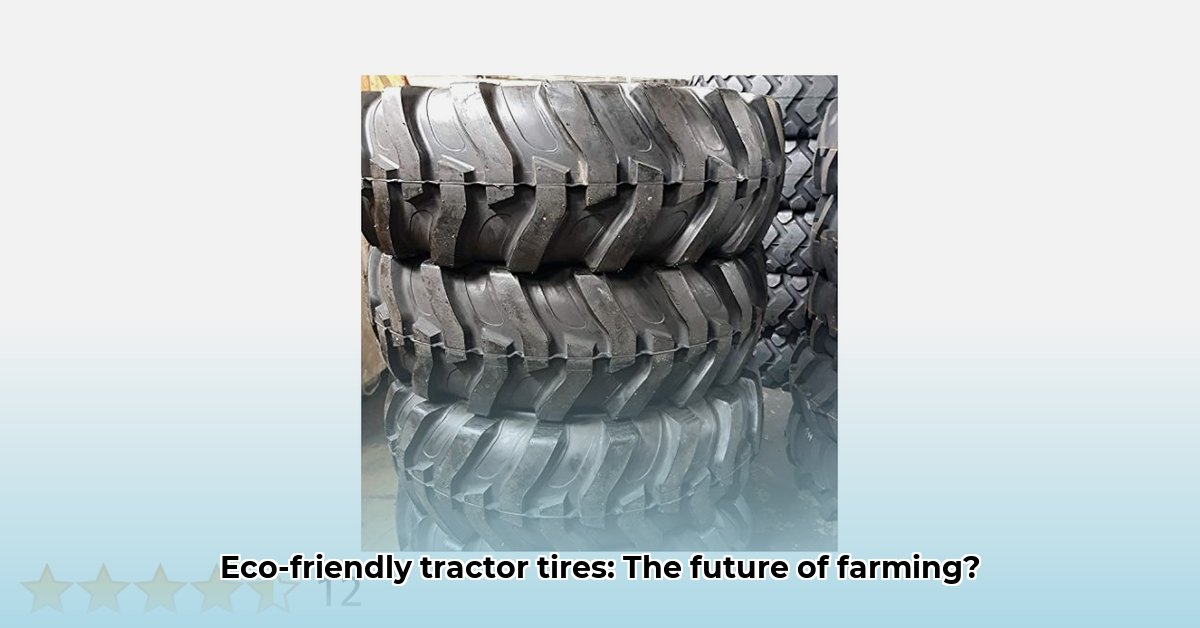
16.9 x 24 Tractor Tires: Current Landscape and Sustainability Challenges
The 16.9 x 24 tractor tire is a ubiquitous component of modern agriculture, supporting the heavy machinery essential for food production. However, the environmental impact of these large tires remains significantly understudied, creating a crucial knowledge gap in sustainable agricultural practices. While current market offerings prioritize durability and performance characteristics like tubeless designs and varying load ratings, comprehensive data on their lifecycle environmental impact—from manufacturing to disposal—is largely unavailable. This lack of information hinders the advancement of truly sustainable agricultural practices. How can we ensure that the technology supporting food production doesn't compromise the very resources it depends upon? For more detailed information, see the 16.9 x 24 tire data.
Uncovering the Environmental Mystery: Critical Data Gaps
A significant challenge in promoting sustainable 16.9 x 24 tractor tires lies in the absence of critical data. This lack of information hampers efforts to evaluate and improve the environmental performance of these essential agricultural components. Key areas requiring immediate attention include:
Material Composition: Precise details regarding the rubber compounds and other materials used in tire construction are often proprietary and unavailable for comparative analysis. The potential for incorporating recycled rubber or bio-based materials remains largely unexplored. What percentage of current 16.9 x 24 tires utilize recycled materials, and what are the limitations of scaling up these initiatives?
Manufacturing Processes: The energy consumption and greenhouse gas emissions associated with tire manufacturing remain poorly documented for this specific tire size. Comprehensive life-cycle assessments (LCAs) are needed to quantify their environmental footprint. How can we incentivize manufacturers to prioritize the transparency of their manufacturing processes, and how can we develop standardized metrics for evaluating energy efficiency?
Tire Lifespan and End-of-Life Management: Data on tire durability and the effectiveness of recycling programs are scarce. Many worn-out tires end up in landfills, contributing to environmental pollution. What are the economic and environmental incentives necessary to promote responsible end-of-life tire management for 16.9 x 24 tractor tires?
Soil Compaction: The impact of 16.9 x 24 tires on soil compaction, a significant factor affecting soil health and agricultural productivity, requires further investigation through comprehensive field studies. How can we design tires that minimize soil compaction while maintaining necessary traction and load-bearing capacity?
Building a Sustainable Future: A Collaborative Research Agenda
Addressing these knowledge gaps demands a collaborative effort involving tire manufacturers, farmers, policymakers, and researchers. A multi-pronged approach is essential to establish a framework for sustainable tire production and usage.
Actionable Steps:
- Comprehensive Life Cycle Assessments (LCAs): Conducting thorough LCAs for all 16.9 x 24 tires will provide a standardized measure of their environmental impact, allowing for informed comparisons and improvements.
- Material Innovation: Investing in research and development to explore sustainable materials, including recycled rubber and bio-based alternatives, is crucial for reducing the environmental footprint of tire production.
- Improved Tire Design: Focus on designing tires with reduced soil compaction potential while maintaining necessary performance characteristics. This involves investigating tread patterns, tire pressure optimization, and potentially wider, lower-pressure designs.
- Field Trials and Data Collection: Rigorous field trials are needed to quantify the impacts of different tire designs on soil compaction under various soil types and agricultural practices. This requires standardized methods for data collection and analysis.
- Policy and Incentive Programs: Governments can stimulate innovation and adoption of sustainable practices through funding for research and development, incentives for using eco-friendly tires, and regulations promoting responsible tire disposal and recycling.
Recommendations for Stakeholders
Tire Manufacturers: Transparency in material sourcing and manufacturing processes, coupled with investments in LCA studies and the development of sustainable materials, are essential. Publicly sharing data on tire composition and environmental impact will build consumer trust and drive innovation.
Farmers and Agricultural Businesses: Adopting best practices for tire pressure management, exploring extended-life tire options, and supporting environmentally responsible tire disposal initiatives are critical steps. Farmers can also advocate for policies that prioritize sustainable practices.
Governments and Policy Makers: Implementing regulations for tire disposal and recycling, coupled with incentives for the adoption of sustainable tires, can significantly impact the agricultural sector's environmental sustainability. Investing in research and development is essential for technological innovation.
Researchers and Scientists: Developing standardized metrics for assessing tire environmental impact and conducting comprehensive field studies to quantify soil compaction are crucial for evidence-based decision-making. This research will provide the data necessary to inform policy and drive industry innovation.
Conclusion: Towards a Greener Agricultural Future
The 16.9 x 24 tractor tire, while seemingly a mundane component of modern agriculture, represents a significant opportunity to advance sustainable practices. By addressing the current knowledge gaps and fostering collaboration among stakeholders, we can pave the way for a future where food production and environmental stewardship coexist harmoniously. The transition to more sustainable tire technologies will not only benefit the environment but will also enhance long-term economic viability and resilience within the agricultural sector.